Add phone number or email address here

Roof Replacement in Ashland, KY
If your roof keeps needing repairs, is showing widespread wear, or has significant storm damage, replacing it may be the better long-term option.
1st Executive Construction provides roof replacement for homes and commercial properties in Ashland. We can help you understand the scope of the work and provide an estimate based on your roof and what it needs.
Not every leak or damaged area means you need a whole new roof. Sometimes a repair is still the right solution. The bigger question is how much of the roof is affected and whether the roofing system as a whole is still in good condition.
Not sure whether your roof needs another repair or a full replacement?
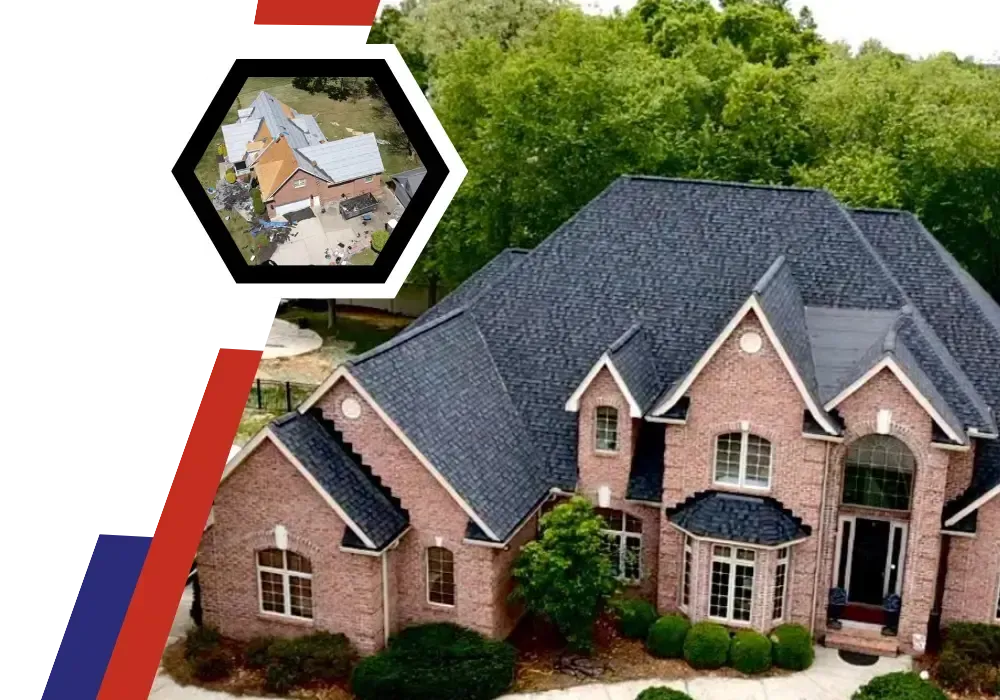
When Does Roof Replacement Make Sense?
Some roof problems only need a simple repair. But if you keep fixing one area only for another problem to show up, it may be time to consider replacing the roof instead.
Replacement may be worth considering when:

Widespread Wear
Wear or deterioration affects large areas of the roof rather than one isolated section.

Recurring Leaks
Leaks or other problems keep developing in different areas of the roofing system.

Significant Storm Damage
Wind, hail, or other storm damage extends across a substantial portion of the roof.

Repairs Aren't Solving It
Previous repairs are no longer addressing the larger roofing problem.

Overall Deterioration
The existing roofing system has deteriorated beyond isolated trouble spots.

Underlying Problems
Conditions beneath the visible roofing may also need attention before new roofing is installed.
Repair or Replace?
A single leak, missing shingle, or damaged section does not tell the whole story. What matters is how much of the roof is affected and the condition of the roofing system overall.
A Repair May Be Enough
When Only One Part of the Roof Is Affected
A repair usually makes sense when the problem is limited to one area and the rest of the roof remains in reasonable condition.
If water is entering through one specific location, roof leak repair may be enough to address the problem.
Replacement May Make More Sense
When Problems Keep Coming Back
If issues continue developing in different areas or wear is showing across more of the roof, replacing it may be the better long-term option.
If you're not sure how extensive the problem is, a roof inspection can help clarify the condition before you decide.
What Happens During a Roof Replacement?
Replacing an existing roof involves more than changing the material you can see from outside.
When a complete tear-off is needed, the existing roof covering is removed so the underlying parts of the roofing system can be accessed.

Prepare the Work Area
The roof and surrounding property are prepared before removal and installation begin.

Remove Existing Roofing
Existing roofing is removed where a full tear-off is part of the project.

Check the Roof Deck
The exposed deck and underlying conditions can be examined once the old covering is removed.

Address Underlying Issues
Areas that need attention can be handled before the new roofing system is installed

Install the New Roof
Necessary roof-system components and the new roof covering are installed.

Complete and Clean Up
The replacement is completed and the project area is cleared.
The exact scope depends on the roof. Decking, underlayment, flashing, valleys, vents, pipes, and other transitions can all affect the work.
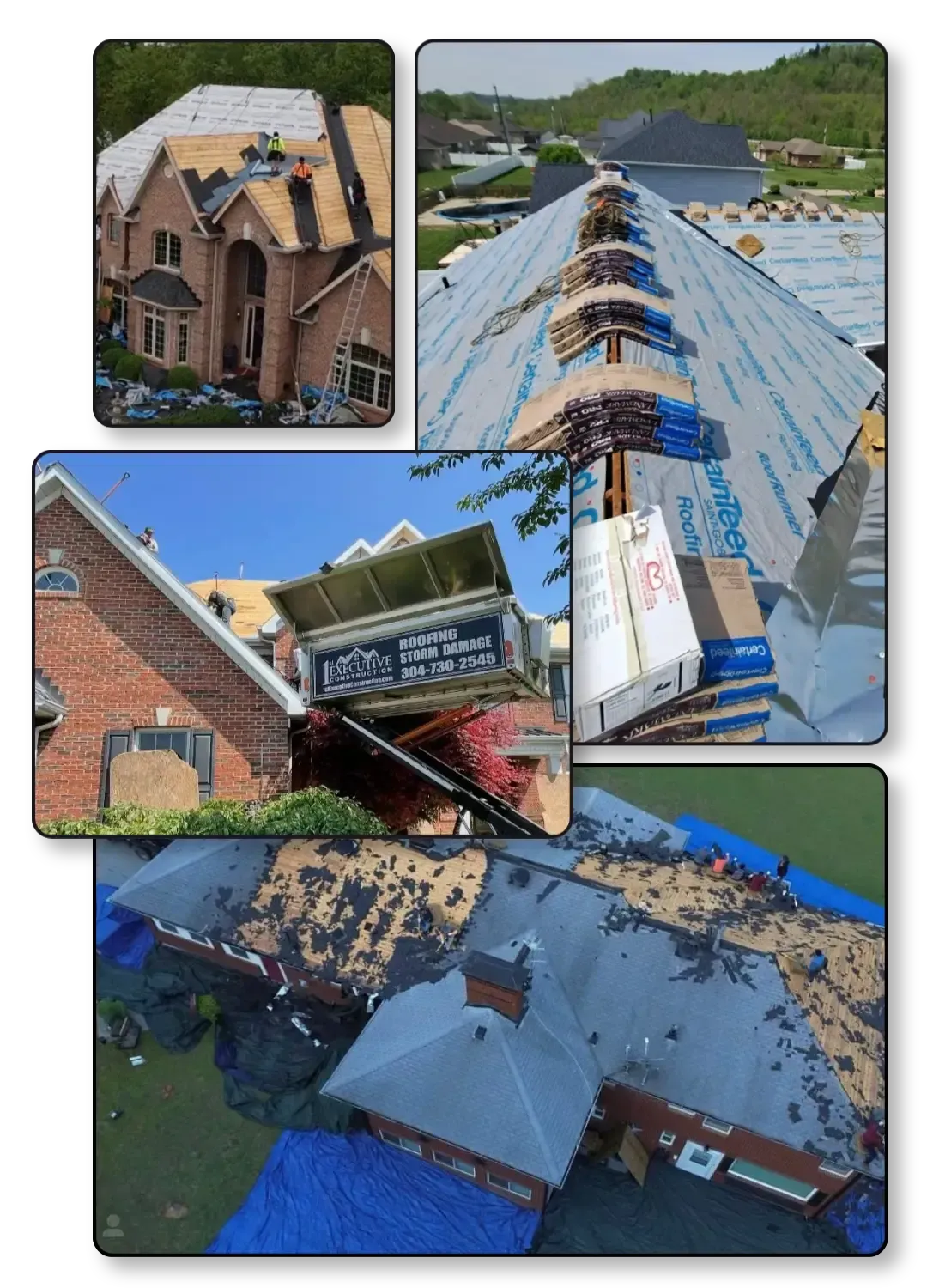
What Can Make One Roof Replacement More Involved Than Another?
Even roofs with similar square footage can require very different amounts of work.
The scope can be affected by:
Roof Size & Layout
Multiple sections, valleys, transitions, and complex roof shapes can add detail to the project.
Slope and access
Steeper roofs and areas that are difficult to reach can affect how the work is carried out.
Existing roofing
The existing material and number of roof layers can change the removal work.
Roof deck condition
Deterioration found after removal may need attention before replacement continues.
Flashing and penetrations
Chimneys, vents, pipes, walls, and other transitions can add complexity.
Replacement material
Different roofing systems have different installation requirements.
Property type
Homes and commercial properties may have different roof configurations and project needs.
Weather
Roofing work takes place outdoors, so conditions can affect scheduling.
Choosing a Roofing Material for Your Replacement
Replacing a roof also gives you an opportunity to consider what type of roofing should go back on the building.
Your options can depend on the structure, roof configuration, appearance, project requirements, and the characteristics that matter most to you.
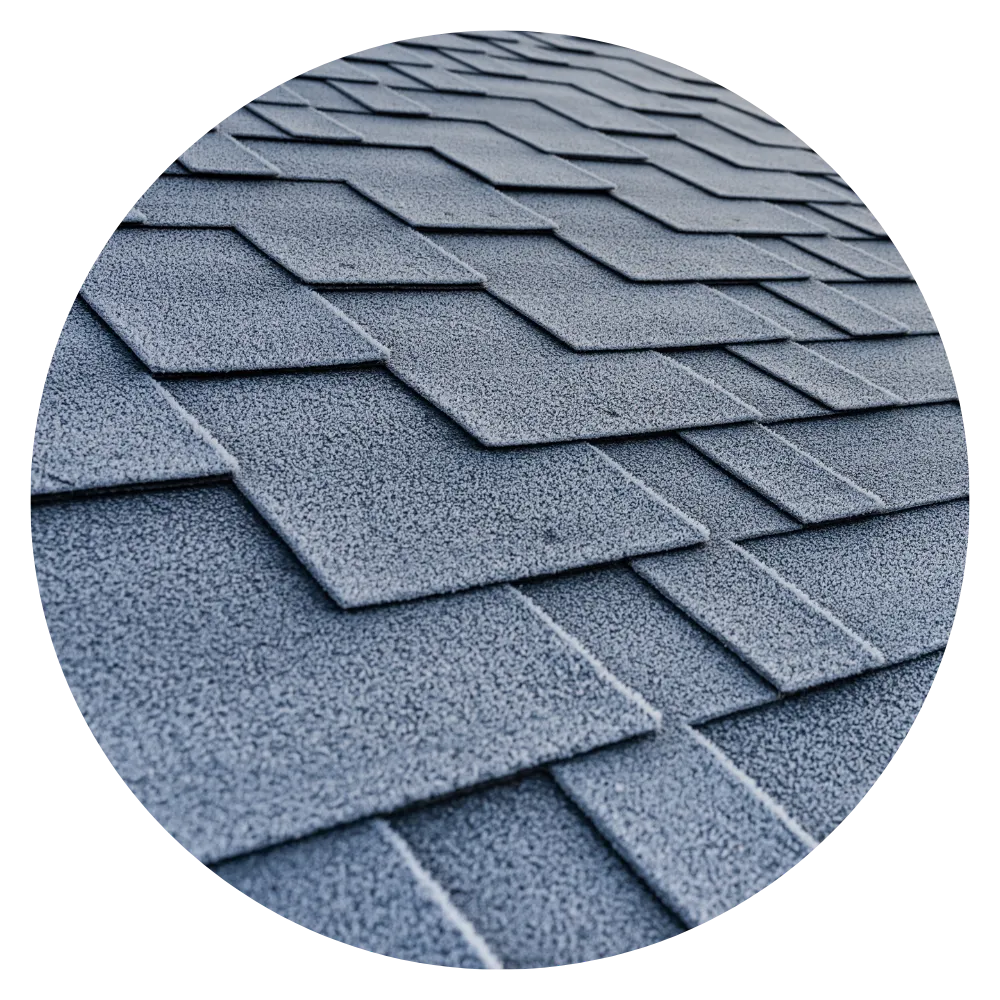
Asphalt Shingle Roofing
Asphalt shingles are a common option for residential roof replacement and can work with many roof configurations.
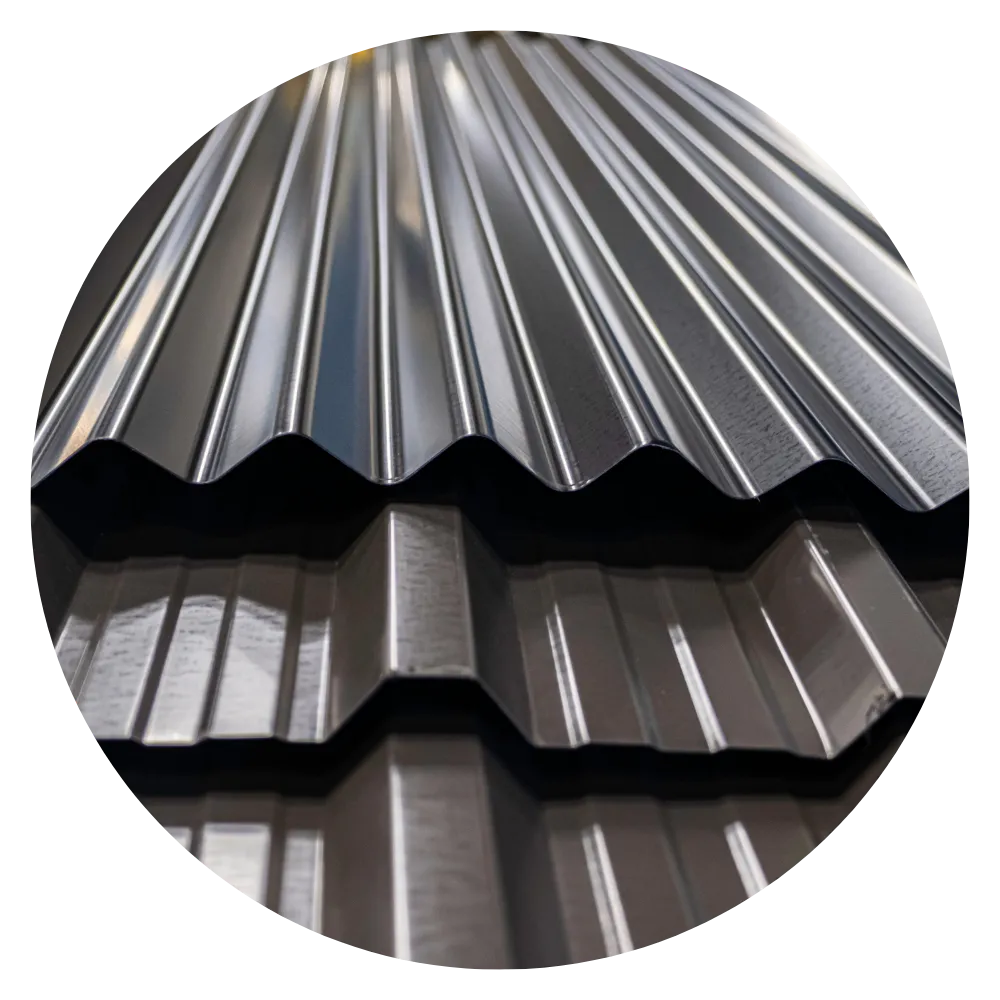
Metal Roofing
Metal roofing may be worth considering depending on the structure, roof design, and goals for the replacement.
Slate Roofing
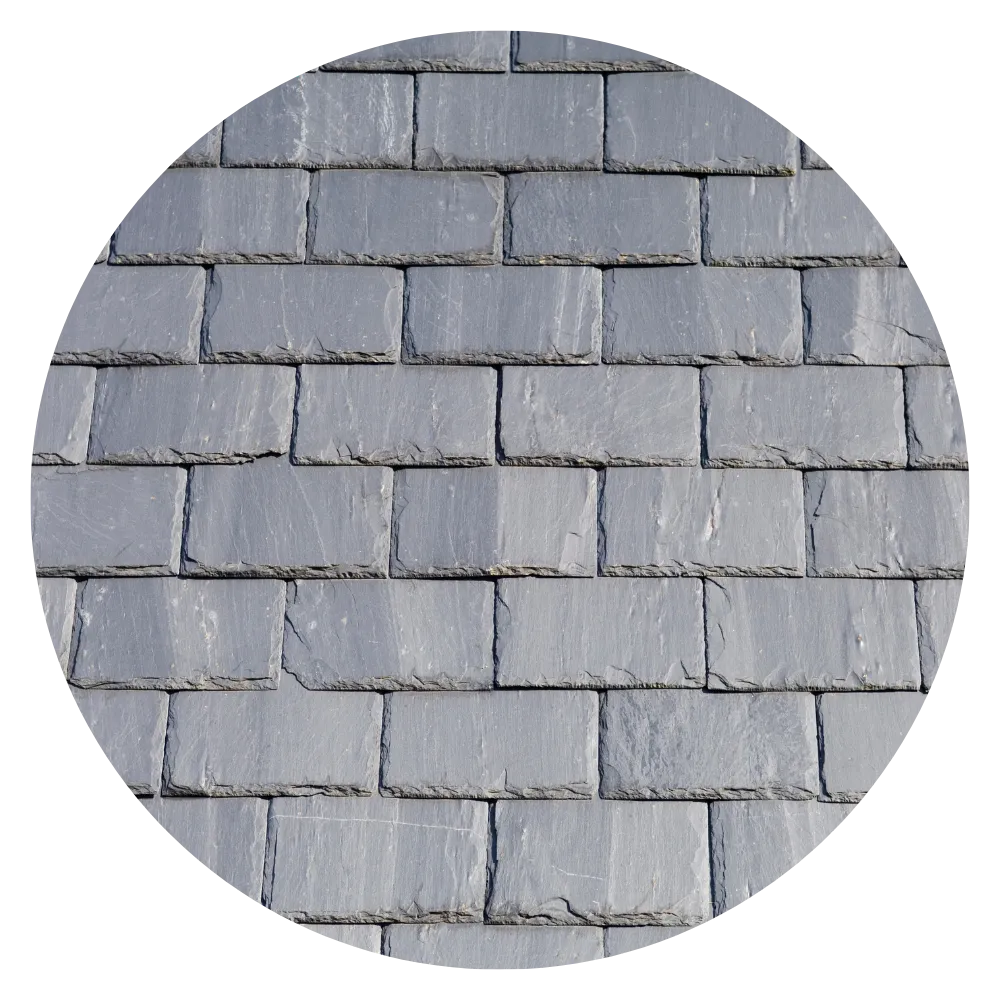
Slate has its own installation and structural considerations and may be appropriate for certain properties.
The first question is whether the existing roof needs replacement at all. Once that is clear, you can evaluate which material makes sense for the property and project.
How Long Does Roof Replacement Take?
The timeline for a roof replacement can be different from one project to the next.
A smaller, simpler roof may be quicker to complete, while a larger roof, a more complicated layout, or hidden issues can add time. The type of roofing material also plays a part.
Weather can affect the schedule too, especially when parts of the roof need to be exposed during the work.
That’s why the best way to estimate the timeline is to look at your specific roof and the amount of work involved.
Replacing a Roof After Storm Damage
Severe weather can leave you wondering how much damage your roof actually took. High winds, hail, and falling debris can all affect roofing materials, but that does not always mean the whole roof needs to be replaced.
Sometimes the damage is limited to one area and can still be repaired. In other cases, it may be widespread enough that replacement makes more sense.
If your roof was damaged in a recent storm, storm-related roof repair may be a good place to start.
Insurance is a separate part of the picture. What your roof needs and what your policy covers are not always the same thing. Coverage can depend on the cause of the damage, your deductible, your coverage limits, and how the policy handles replacement costs.
If you are not sure how extensive the damage is, tell us what happened and what you are seeing with your roof. We can help you take the next step.
What Should You Know Before Moving Forward?
Before moving forward with a roof replacement, it helps to know exactly what the proposed work includes.
A few things worth clarifying are:
Whether the roof needs a repair, a recover, or a complete replacement
How much of the existing roofing will be removed
What roofing material or system will be installed
How hidden issues, such as damaged decking, could affect the project
What removal and disposal work is included
What could change the original scope
What timeline to expect for your roof
What warranty terms apply
Whether any permits or inspections may be needed
Having these details upfront makes it easier to understand what you’re paying for and compare more than just the final price.
Talk With Us About Your Existing Roof
If your roof keeps having problems, has significant damage, or seems to need one repair after another, it may be time to start thinking about replacement.
Tell us what’s going on with your roof, and we’ll help you take the next step. You can request an estimate online or call (304) 730-2545 to talk about your roof replacement project in Ashland.



© 2026 1st Executive Construction. All Rights Reserved.